Integrating the Deer Head Woodcut Engraving Vector into Professional Design Workflows
In the landscape of modern graphic design, there is a persistent demand for assets that bridge the gap between historical craftsmanship and digital efficiency. The Deer Head Woodcut Engraving Vector serves as a prime example of this synthesis. It is not merely a static image but a versatile component that can anchor branding projects, enhance apparel lines, and elevate editorial layouts. For professionals ranging from freelance illustrators to small business owners, understanding how to effectively deploy this asset requires more than just downloading a file; it demands a strategic approach to integration, compatibility, and aesthetic consistency.
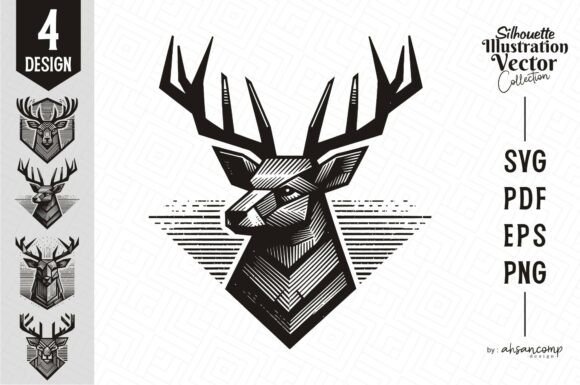
This detailed deer head illustration, created in a classic woodcut engraving style, features bold black line-art, thick–thin strokes, strong contrast, and vintage carved textures. These characteristics make it a striking and rustic wildlife emblem. However, its true value lies in its adaptability across various media formats. Available in high-quality SVG, PDF, EPS, and PNG formats, this vector design offers the flexibility needed for both large-scale printing and intricate digital applications. By examining the practical implementation of this asset, creators can streamline their workflows and ensure high-quality outcomes.
Pre-Production Planning and Asset Selection
Before integrating any graphical element into a project, careful planning is essential. The decision to use a Deer Head Woodcut Engraving Vector should align with the broader visual identity of the brand or project. This style evokes notions of heritage, outdoorsmanship, and artisanal quality. Therefore, it fits naturally within industries such as outdoor gear, craft breweries, boutique coffee roasters, and heritage clothing lines.
During the conceptual phase, designers must consider the surrounding elements. Because woodcut engravings rely heavily on high contrast and intricate line work, they require ample negative space to remain legible. When planning a logo or badge, ensure that the layout accommodates the dense detailing of the deer’s antlers and facial features. Cluttered backgrounds or competing patterns can obscure the fine lines, diminishing the impact of the design. Selecting this vector early in the process allows for the development of a cohesive color palette and typography scheme that complements the rustic aesthetic.
Furthermore, verifying the technical specifications at this stage prevents downstream issues. Confirm that the chosen file format supports the intended output. For instance, if the design is destined for a vinyl decal or laser cutting, the scalability of the SVG or EPS format is crucial. These vector formats ensure that edges remain crisp regardless of size, a feature that raster images like JPEGs cannot guarantee.
Technical Integration and File Management
Once the asset is selected, the next phase involves technical integration into your design software. The availability of multiple formats—SVG, PDF, EPS, and PNG—provides redundancy and flexibility. Each format serves a specific purpose in a professional workflow.
- SVG (Scalable Vector Graphics): Ideal for web use and digital interfaces. SVGs are lightweight and can be manipulated via CSS, allowing for interactive hover effects or color changes without losing quality.
- EPS (Encapsulated PostScript): The standard for professional print production. EPS files are compatible with most industry-standard design software, including Adobe Illustrator and CorelDRAW, ensuring that printers can process the file without errors.
- PDF (Portable Document Format): Useful for proofing and sharing previews with clients. PDFs preserve the vector data while offering a universal viewing experience.
- PNG (Portable Network Graphics): Best for quick mockups or digital social media posts where transparency is required. While not scalable like vectors, high-resolution PNGs are sufficient for screen-based displays.
Efficient file management is critical when working with vector assets. Organize your project folders by separating source files from export versions. Maintain a master copy of the original Deer Head Woodcut Engraving Vector to prevent accidental overwrites. When editing, use non-destructive techniques such as clipping masks and adjustment layers. This approach allows you to experiment with different compositions without altering the original path data, preserving the integrity of the bold black line-art and thick–thin strokes.
Application in Branding and Apparel Design
The versatility of this vector design makes it particularly suitable for badges, apparel prints, decals, and logos. In branding, consistency is key. The strong contrast and vintage carved textures of the deer head create a memorable visual anchor. When applying this emblem to business cards, letterheads, or packaging, ensure that the scale is appropriate. Small applications may require simplifying the design slightly to maintain clarity, while larger formats can showcase the intricate details of the engraving style.
For apparel prints, the process involves additional considerations regarding fabric and printing methods. Screen printing, a common method for t-shirts and hoodies, benefits from the high-contrast nature of woodcut designs. The bold lines translate well to ink deposits on fabric. However, designers must separate colors appropriately if using multi-color prints. Since the primary aesthetic is black line-art, single-color prints often yield the most authentic and cost-effective results. Direct-to-garment (DTG) printing offers more flexibility for complex gradients, but the stark simplicity of the woodcut style usually shines brightest in monochrome applications.
When creating decals for outdoor themes, durability is a concern. Vector formats ensure that the design can be scaled to fit various surfaces, from water bottles to vehicle windows, without pixelation. The rustic wildlife emblem resonates with audiences who value nature and adventure, making it an effective choice for outdoor brands seeking to establish an emotional connection with their customers.
Enhancing Editorial and Decorative Artwork
Beyond commercial branding, the Deer Head Woodcut Engraving Vector serves as a powerful element in editorial and decorative contexts. Publishers and bloggers can use this asset to break up text, introduce chapters, or create thematic headers. The vintage aesthetic adds a layer of sophistication and timelessness to digital articles and printed magazines.
In decorative artwork, the vector can be combined with other design elements to create complex compositions. Layering the deer head over textured backgrounds, such as paper grain or weathered wood, enhances the vintage feel. Designers can experiment with opacity and blending modes to integrate the illustration seamlessly into the background. This technique is particularly effective for creating posters, wall art, and greeting cards.
Educators and content creators can also leverage this asset to teach principles of design history. The woodcut engraving style references traditional printmaking techniques, providing a tangible link to artistic heritage. By analyzing the thick–thin strokes and strong contrast, students can learn about line weight, balance, and visual hierarchy. Incorporating such vectors into educational materials makes abstract concepts more accessible and engaging.
Quality Control and Long-Term Usability
Maintaining quality control throughout the design process ensures that the final output meets professional standards. Regularly zoom in to inspect the vector paths for any irregularities or unnecessary anchor points. Clean paths contribute to smoother printing and smaller file sizes. Additionally, check the color profiles to ensure compatibility with the intended output device. CMYK for print and RGB for digital screens are standard, but verifying these settings prevents unexpected color shifts.
Long-term usability depends on how well the asset is documented and archived. Include metadata in your files describing the usage rights, version history, and design intent. This practice facilitates future updates and collaborations. If the Deer Head Woodcut Engraving Vector becomes part of a larger brand library, ensure it is tagged correctly for easy retrieval. Consistent organization saves time and reduces the risk of using outdated or incorrect versions.
Ultimately, the successful integration of this vector design hinges on a clear understanding of its strengths and limitations. By respecting the intricate details of the woodcut style and leveraging the flexibility of vector formats, creators can produce work that is both visually striking and technically sound. Whether used for a rugged outdoor logo or a refined editorial illustration, this asset offers a timeless appeal that enhances any creative project.
For those looking to expand their design resources, exploring similar vintage-inspired vectors can provide additional options for diverse projects. The key is to remain adaptable, continuously refining your workflow to accommodate new tools and techniques. By doing so, you ensure that every design decision contributes to a cohesive and impactful final product.