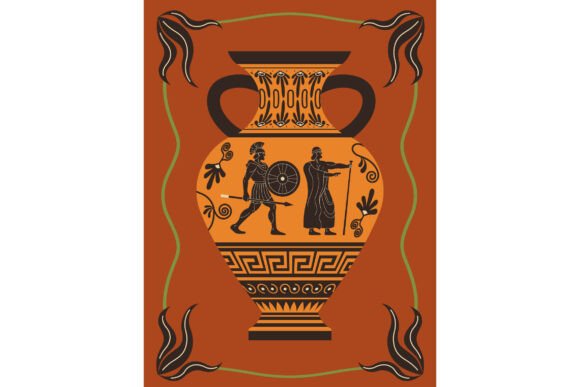
Integrating Classical Vase Illustration into Modern Creative Workflows
In the landscape of digital design and branding, there is a persistent demand for assets that convey authority, history, and timeless elegance. Classical Vase Illustration serves as a powerful visual anchor in this context. It is not merely a decorative element but a strategic resource that can elevate brand storytelling, educational materials, and product packaging. When we examine a stylized Greek amphora with traditional black-figure motifs depicting warriors and chariots, we are looking at more than ancient art; we are observing a structured composition of balance, narrative, and ornamental precision. Integrating these elements into contemporary projects requires an understanding of both their aesthetic value and their practical application within a modern design pipeline.
The Strategic Value of Ancient Motifs in Contemporary Design
The appeal of the Greek amphora lies in its distinct silhouette and the high-contrast nature of black-figure pottery. This style, characterized by dark figures against a lighter background, offers immediate visual clarity. For marketers and entrepreneurs, this clarity translates to strong brand recognition. When used in logo design or packaging, the bold lines of a warrior motif or a dynamic chariot scene cut through visual noise. Unlike complex photographic imagery, these vector-based illustrations scale infinitely without loss of quality, making them ideal for diverse applications ranging from mobile app icons to large-format trade show displays.
Furthermore, the earthy palette associated with these illustrations—typically comprising terracotta, ochre, deep black, and cream—evokes a sense of authenticity and craftsmanship. In an era where consumers are increasingly skeptical of overly polished, synthetic corporate aesthetics, the organic feel of ancient pottery provides a grounding effect. It suggests longevity and tradition, qualities that are highly desirable for businesses in sectors such as finance, education, luxury goods, and artisanal products. By incorporating these motifs, creators can subtly communicate stability and heritage without relying on clichéd corporate imagery.
Workflow Integration: From Asset Selection to Final Implementation
Successfully deploying Classical Vase Illustration requires a methodical approach to ensure it enhances rather than overwhelms the final product. The process typically begins with asset acquisition and preparation. Most professional workflows will involve sourcing high-quality SVG files. The Scalable Vector Graphics format is essential because it allows for non-destructive editing. You can isolate specific components, such as the decorative leaf ornaments or the patterned border, and repurpose them independently of the main vessel shape.
Preparation and Compatibility
Before integrating the illustration into your primary design software, such as Adobe Illustrator, Figma, or Sketch, it is crucial to audit the file structure. A well-organized SVG will have clearly labeled layers for the amphora body, the handles, the figural scenes, and the ornamental bands. This organization saves significant time during the customization phase. If the layers are grouped indiscriminately, you may find yourself spending hours untangling paths just to change the color of a single leaf ornament. Ensuring compatibility early in the process prevents bottlenecks later in the production cycle.
Once the file is prepared, consider the color strategy. While the traditional black-figure style is iconic, modern branding often requires alignment with specific corporate color codes. The beauty of vector illustrations is their adaptability. You can maintain the structural integrity of the warrior motif while adjusting the fill colors to match your brand’s primary and secondary palettes. However, exercise caution. Drastic color changes can sometimes disrupt the visual weight of the composition. It is often effective to keep the core figures in high-contrast tones while using brand colors for the background or the patterned border elements.
Contextual Placement and Composition
The placement of the illustration within your layout determines its impact. In web design, a stylized Greek amphora can serve as a hero image component, particularly for landing pages that aim to establish trust and authority. Here, the illustration should be large enough to showcase the intricate details of the chariot scene but balanced with ample white space to prevent visual clutter. For print materials, such as brochures or annual reports, these illustrations work exceptionally well as section dividers or watermarks. The repetitive nature of the decorative leaf ornaments makes them ideal for creating seamless patterns that can frame text or separate content blocks.
When using these assets in social media graphics, focus on isolation. Extracting the warrior motif from the full amphora allows for a more focused narrative. A single warrior figure can symbolize strength, leadership, or competition, making it a potent metaphor for business articles or motivational content. Similarly, the chariot can represent progress, speed, or journey. By deconstructing the original illustration, you create a library of micro-assets that can be reused across multiple campaigns, ensuring visual consistency while varying the message.
Quality Control and Ethical Considerations
Maintaining quality control is vital when working with historical motifs. The lines in black-figure pottery are deliberate and expressive. When scaling or modifying SVGs, ensure that the stroke weights remain consistent. Thin lines may disappear at smaller sizes, while overly thick lines can obscure the detailed interactions between figures. Regularly preview your designs at various sizes to ensure legibility and aesthetic balance. This attention to detail reflects professionalism and respect for the source material.
Additionally, consider the cultural context. While Classical Vase Illustration is part of the public domain in terms of historical artifacts, the specific digital renditions may be subject to licensing agreements. Always verify the usage rights of the SVG files you purchase or download. Moreover, use these motifs with respect for their historical significance. Avoid using sacred or funerary imagery in trivial or inappropriate contexts. Understanding the origin of the chariot scene or the specific identity of the depicted warriors can add depth to your accompanying copy, enhancing the overall narrative coherence of your project.
Long-Term Usability and Asset Management
To maximize the return on investment for these design assets, implement a robust asset management system. Store your master SVG files in a centralized repository with clear metadata tags such as "Greek," "Amphora," "Black-Figure," "Warrior," and "Ornament." This facilitates quick retrieval for future projects. Create standardized templates that incorporate these elements, allowing team members to maintain brand consistency without starting from scratch each time. Over time, you can build a cohesive visual language that leverages the timeless appeal of Classical Vase Illustration across all touchpoints.
In conclusion, the integration of a stylized Greek amphora into modern design workflows is not just an aesthetic choice but a strategic decision. It offers a blend of historical gravitas and visual versatility that can enhance brand perception, improve engagement, and streamline content creation. By focusing on proper preparation, thoughtful composition, and respectful usage, professionals can harness the power of these ancient motifs to create compelling, authentic, and enduring visual communications. The key lies in treating the illustration not as a static image, but as a flexible component within a broader, dynamic design ecosystem.