Small Birds Perched on Flowering Branche: Elevating Design with Elegant Silhouette Art
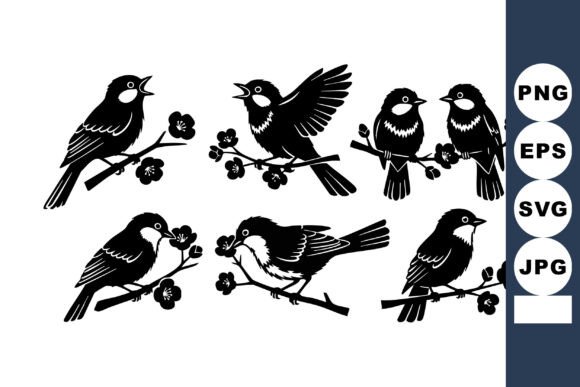
In the world of digital design and print media, there is a distinct difference between cluttered imagery and art that breathes. The concept of Small Birds Perched on Flowering Branche captures this essence perfectly. It offers a visual pause, a moment of calm amidst the noise of modern advertising and content creation. This specific style of vector art, featuring black silhouettes against blossoming backgrounds, has become a staple for creators seeking natural elegance without sacrificing versatility. However, many designers and business owners overlook the technical nuances that make or break the final output.
Understanding how to properly utilize these assets can transform a mediocre project into a professional-grade piece. Whether you are a freelancer designing a wedding invitation, a marketer creating social media graphics, or an entrepreneur branding a eco-friendly product line, the quality of your source files matters. Let’s explore how to navigate the selection and application of this artwork effectively, avoiding common pitfalls that often lead to wasted time and subpar results.
The Misconception of "One Size Fits All" Formats
A frequent mistake beginners make is assuming that any image file will work for any project. You might download a standard JPG of birds on a branch, place it on a colored background, and wonder why it looks amateurish. The issue usually lies in the lack of transparency or scalability. When you rely solely on raster images like JPGs for silhouette art, you lose the ability to resize without pixelation, and you struggle to blend the image seamlessly into different design contexts.
Why this matters: Using a low-resolution JPG for a large-format print, such as a banner or poster, results in blurry edges. The crispness of the bird’s silhouette is lost, destroying the "natural elegance" the art is supposed to convey. Furthermore, without a transparent background (PNG), you are stuck with a white box around your image, limiting your creative layout options.
The Better Approach: Always prioritize vector formats like SVG and EPS when available. These files use mathematical paths rather than pixels, meaning you can scale the Small Birds Perched on Flowering Branche from the size of a business card to a billboard without any loss in quality. For web use, SVGs are lightweight and load faster, improving user experience. Keep the PNG files for quick mockups or platforms that do not support vectors, but ensure they are high-resolution with transparent backgrounds.
Overlooking Contextual Harmony
Another common oversight is ignoring the mood and context of the surrounding design elements. Black silhouettes are powerful because they are stark and definitive. However, placing them against busy, chaotic backgrounds can diminish their impact. Some creators mistakenly believe that adding more decorative elements enhances the design, but in reality, it often competes with the simplicity of the birds and blossoms.
The consequence: Visual clutter confuses the viewer. The peaceful wildlife charm is replaced by visual noise, reducing the emotional connection the audience might feel. This can lower engagement rates on social media or reduce the perceived value of a printed product.
Practical Advice: Embrace negative space. Let the black silhouettes stand out against soft, muted colors or clean white backgrounds. If you are using the art for a nature-themed project, consider using earth tones or pastels that complement the organic feel of the blossoming branches. Test your design by squinting at it; if the birds disappear into the background, you need more contrast or less clutter.
Neglecting File Organization and Licensing
When downloading a ZIP package containing SVG, EPS, JPG, and PNG files, many users simply extract everything into a single folder and forget about it. This disorganization leads to inefficiency later. You might spend twenty minutes searching for the right file type while on a deadline. Additionally, failing to check licensing terms can lead to legal issues, especially for commercial projects.
Impact on workflow: Disorganized assets slow down production. Using a file intended for personal use in a commercial client project can result in copyright strikes or fines. It is a preventable error that affects both efficiency and professional reputation.
How to avoid this: Create a standardized folder structure for your assets. Separate vector files from raster images. Before using any asset, read the license agreement included in the ZIP file. Look for terms like "commercial use allowed" or "attribution required." If you are unsure, contact the creator or choose a different asset with clear licensing. This small step protects your business and ensures smooth operations.
Choosing the Right Variation for Your Audience
Not all silhouette art is created equal. Some designs feature intricate details in the branches, while others are more minimal. Choosing the wrong level of detail for your medium can hinder readability. For instance, highly detailed branches may look beautiful on a large canvas but can appear as a muddy blob when printed on a small label or viewed on a mobile screen.
Realistic example: A bakery owner uses a highly detailed vector of Small Birds Perched on Flowering Branche for their cupcake wrappers. Due to the small size, the details are lost, and the design looks messy. A simpler, bolder silhouette would have been more effective and visually appealing.
Strategic Selection: Match the complexity of the art to the size of its application. For small items like tags, icons, or mobile headers, choose simpler silhouettes with thicker lines. For larger prints like wall art or website heroes, you can afford more intricate details. Always preview your design at actual size before finalizing.
Technical Checks Before Finalizing
Before you commit to using these assets in a final product, perform a few quick technical checks. Open the SVG or EPS file in your design software to ensure all paths are closed and there are no stray anchor points. Check the color settings; while silhouettes are typically black, ensure the black is true black (CMYK 0,0,0,100) for print projects to avoid muddy grays.
- Verify Transparency: Ensure PNG files have no white halos around the edges.
- Check Scalability: Zoom in to 400% on your vector file to confirm smooth curves.
- Review Layers: In EPS files, check if elements are grouped logically for easy editing.
By paying attention to these details, you ensure that the Small Birds Perched on Flowering Branche art serves its purpose: enhancing your project with calm, natural beauty. It is not just about having a pretty image; it is about using the right tool in the right way to communicate your message effectively.
In conclusion, integrating silhouette art into your designs requires more than just drag-and-drop functionality. It demands an understanding of file formats, contextual harmony, and technical precision. By avoiding common mistakes and adopting a strategic approach, you can leverage these assets to create compelling, professional-quality work that resonates with your audience. Whether for decorative purposes or brand storytelling, the right application of this art form adds a touch of serene sophistication that stands the test of time.