Baroque Ornament Silhouette: Elevating Modern Design with Classic Elegance
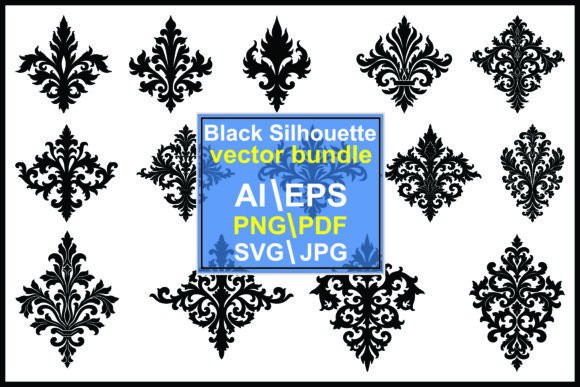
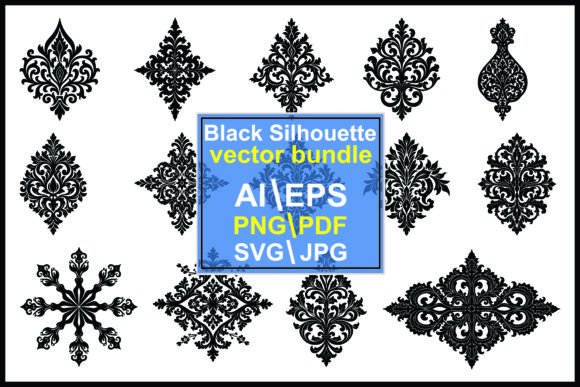
In an era where digital minimalism has dominated user interfaces and branding for over a decade, there is a palpable shift occurring in the creative landscape. Designers, marketers, and content creators are increasingly seeking ways to inject warmth, history, and tactile richness into their work. This is where the Baroque Ornament Silhouette reclaims its throne. No longer confined to the dusty archives of art history books, these intricate designs are becoming essential tools for modern visual storytelling. The appeal lies in the stark contrast and dramatic flair inherent to the style—black ornamental filigree designs on a white background offer a versatility that few other aesthetic elements can match.
The resurgence of baroque and vintage-inspired graphics is not merely a nostalgic trend; it is a response to a saturated market of flat, uniform design. Brands and individuals are looking for differentiation. By incorporating symmetrical, intricate, and ornate elements, creators can establish a sense of authority, luxury, and timeless elegance. Whether used for wedding invitations, high-end packaging, or sophisticated web headers, these silhouettes provide an immediate visual anchor that draws the eye and communicates quality.
The Evolution of Ornamental Design in Digital Workflows
Historically, working with complex decorative elements was a labor-intensive process. Designers had to manually trace patterns or rely on low-resolution raster images that pixelated when scaled. Today, the workflow has transformed dramatically thanks to vector technology. A comprehensive silhouette vector bundle allows for infinite scalability without loss of quality. This technological leap means that a single flourish can be resized from a tiny icon on a business card to a massive backdrop for a stage design, maintaining crisp, clean lines throughout.
Modern creators value efficiency alongside aesthetics. The demand for ready-to-use assets has skyrocketed as project timelines shrink. A well-curated collection of black and white ornamental designs serves as a modular toolkit. Instead of building every scrollwork element from scratch, professionals can drag, drop, and customize pre-made components. This shift reflects a broader change in the creative industry: the move towards smart asset management. By utilizing files that are already optimized for various platforms, designers can focus more on composition and concept rather than tedious execution.
Versatility Across Formats and Platforms
One of the most critical aspects of integrating these designs into your workflow is understanding file compatibility. Not all software handles graphics in the same way, and having access to multiple formats is no longer a luxury—it is a necessity. A robust design bundle should cater to both print and digital needs seamlessly.
Consider the following breakdown of why format diversity matters in your daily operations:
- Vector Files (AI, EPS, SVG): These are the backbone of professional design. Adobe Illustrator (AI) and Encapsulated PostScript (EPS) files allow for full editability. You can change the color, adjust the nodes, or combine elements to create unique compositions. Scalable Vector Graphics (SVG) are essential for web development, ensuring that your ornamental borders load quickly and look sharp on any screen resolution.
- Raster Files (JPG, PNG): For quick implementations, such as social media posts or blog headers, high-resolution JPGs and transparent PNGs are invaluable. PNGs, in particular, allow you to overlay black filigree onto colored backgrounds without dealing with complex masking techniques.
- Document Files (PDF): Portable Document Format files are crucial for previewing designs and for direct use in layout software like Adobe InDesign. They ensure that the visual integrity of the intricate patterns is preserved when sharing proofs with clients.
When you acquire a comprehensive bundle, it typically arrives as a compressed zip file. This consolidation keeps your download organized. To access the assets, you simply need to extract the contents using standard tools like WinZip, WinRAR, or the built-in extraction features of your operating system by double-clicking the file. Once extracted, you have a library of resources at your fingertips, ready for immediate deployment.
Practical Applications for Creators and Businesses
The utility of Baroque Ornament Silhouette extends far beyond traditional print media. In today’s multi-channel marketing environment, these elements serve diverse functions across various industries. Here is how different professionals can leverage these assets effectively:
Branding and Identity
For businesses aiming to project an image of heritage, luxury, or artisanal quality, ornate borders and corner embellishments are powerful tools. A boutique coffee shop, a legal firm, or a high-end jewelry brand can use these black and white motifs to frame logos or separate sections on their websites. The contrast of black on white conveys clarity and sophistication, while the complexity of the pattern suggests attention to detail.
Digital Content and Social Media
In the fast-paced world of social media, standing out requires striking visuals. Using floral damask patterns or mandala-inspired flourishes as background overlays can add depth to Instagram stories or Pinterest pins. Because these designs are often symmetrical, they work exceptionally well for creating balanced layouts. Marketers can use these elements to highlight quotes, announce sales, or frame product shots, adding a layer of polish that elevates perceived value.
Event Design and Stationery
The wedding and event industry remains one of the largest consumers of vintage and baroque aesthetics. From save-the-date cards to menu templates, the use of scrollwork and cutout-style graphics adds a romantic and classic touch. Designers can mix and match different elements—such as combining a yin yang symbol for balance with traditional floral vines—to create custom themes that resonate with specific cultural or personal narratives.
Educational and Editorial Layouts
Educators and publishers can use these decorative elements to break up text-heavy documents. A well-placed border or corner flourish can guide the reader’s eye and make educational materials or eBooks feel more engaging and less intimidating. The antique feel of these graphics can also lend credibility to historical or literary content, creating a thematic consistency between the text and the visual design.
Navigating the Trend: Authenticity vs. Cliché
As with any design trend, the key to successful implementation is restraint and intentionality. The abundance of available resources means that generic usage is common. To avoid your work looking cluttered or dated, consider the following best practices:
- Maintain Visual Hierarchy: Ensure that the ornamentation supports the content rather than overpowering it. Use lighter, more delicate filigree for backgrounds and bolder, heavier scrollwork for focal points.
- Embrace Negative Space: The beauty of black silhouettes on white backgrounds lies in the interplay of positive and negative space. Do not fill every inch of the canvas. Allow the design to breathe, which enhances the elegant and classic feel.
- Customize When Possible: While pre-made bundles are efficient, try to modify elements to suit your specific brand colors or layout needs. Combining different flourishes or adjusting the thickness of lines can create a unique signature style.
- Contextual Relevance: Ensure that the baroque style aligns with your message. While versatile, these designs carry connotations of tradition and formality. They may not be suitable for ultra-modern tech startups aiming for a disruptive, futuristic vibe, but they are perfect for brands emphasizing craftsmanship and legacy.
The Future of Ornamental Graphics
Looking ahead, the integration of AI and machine learning in design tools will likely make the customization of these ornaments even more intuitive. We may see systems that automatically generate complementary filigree patterns based on a user’s initial input. However, the fundamental human appreciation for symmetry, intricacy, and handcrafted aesthetics will remain constant. The Baroque Ornament Silhouette is not just a passing fad; it is a foundational element of visual language that continues to evolve with technology.
By investing in a high-quality, multi-format vector bundle, you are future-proofing your creative toolkit. Whether you are a freelancer looking to expand your service offerings, a business owner refining your brand identity, or a hobbyist exploring digital art, these resources provide the flexibility and quality needed to meet modern expectations. The ability to seamlessly transition from a scalable SVG for a website to a high-resolution PNG for a print flyer ensures that your design vision remains consistent across all touchpoints.
Ultimately, the power of these designs lies in their ability to bridge the gap between the past and the present. They offer a tangible connection to artistic traditions while leveraging the efficiency of modern digital workflows. As you incorporate these intricate, ornate, and elegant elements into your projects, remember that they are more than just decoration—they are communication tools that convey sophistication, care, and timeless beauty.