Silhouettes of Various Plants and Grasses: A Designer’s Guide to Quality and Usability
In the world of digital design, few elements are as versatile and timeless as botanical silhouettes. Whether you are crafting a minimalist wedding invitation, designing packaging for organic skincare, or creating a serene background for a wellness blog, Silhouettes of Various Plants and Grasses offer an elegant solution. These black-and-white graphics strip away the distraction of color and texture, focusing purely on form, line, and composition. However, not all silhouette collections are created equal. Many creators rush into downloading free assets without considering file compatibility, resolution, or licensing, only to find their workflow disrupted later. Understanding what makes a high-quality vector bundle essential can save you hours of frustration and ensure your final designs look professional.
Understanding the Value of Botanical Silhouettes
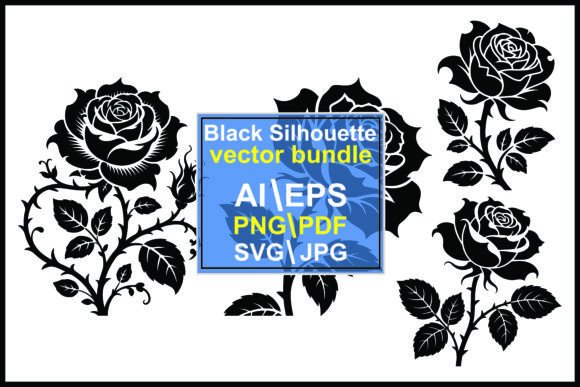
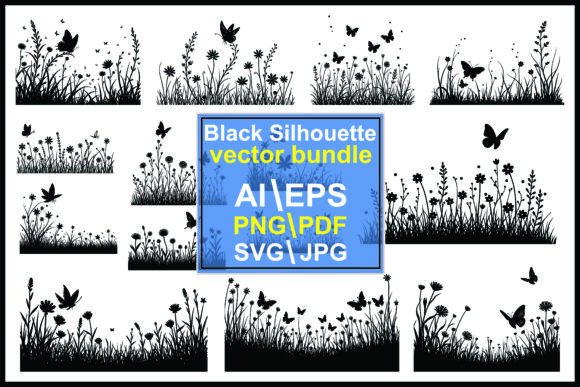
Botanical illustrations have long been a staple in art and science, but modern digital silhouettes serve a different purpose. They are functional design elements. A well-drawn plant silhouette acts as a visual anchor, providing structure to a layout without overwhelming it. The appeal lies in their simplicity. By reducing complex flora—such as wild meadow grasses, delicate flower buds, and sturdy stems—to their essential outlines, these graphics become universally applicable. They fit seamlessly into various aesthetics, from rustic and organic to clean and corporate.
When you explore a comprehensive collection, you are not just getting images; you are acquiring a toolkit. A robust set includes diverse species, ensuring you can mix and match elements to create custom compositions. This variety is crucial for avoiding repetitive patterns in your work. Instead of using the same generic leaf over and over, a detailed bundle allows you to combine different stems, blooms, and foliage to create unique, natural-looking arrangements that feel authentic rather than manufactured.
Common Mistakes in Choosing and Using Silhouette Assets
One of the most frequent errors designers make is overlooking file formats. It is tempting to grab the first JPEG you see because it opens quickly in any viewer. However, relying solely on raster images like JPG or PNG limits your flexibility. If you need to resize a small grass silhouette for a large banner, a pixelated image will ruin the crispness of your design. Similarly, using low-resolution files for print projects can result in jagged edges and unprofessional outputs. Always prioritize vector formats such as AI, EPS, or SVG when available, as these allow for infinite scalability without loss of quality.
Another common misunderstanding involves the complexity of the silhouette itself. Some beginners assume that more detail equals higher quality. In reality, overly complex outlines with thousands of anchor points can slow down your design software and make editing difficult. Clean, minimalist outlines are often more effective because they are easier to manipulate, recolor, and integrate into broader designs. A cluttered silhouette can distract from the main message of your project, whereas a simple, bold shape enhances readability and visual impact.
Licensing is also frequently overlooked. Many users assume that if a file is downloadable, it is free for commercial use. This is a risky assumption. Using assets without verifying their license can lead to legal issues, especially for entrepreneurs and small business owners selling products or services. Always check the terms of use. A reputable bundle will clearly state that the designs can be used for any purpose, including commercial projects, giving you peace of mind as you build your brand.
What to Look for in a High-Quality Vector Bundle
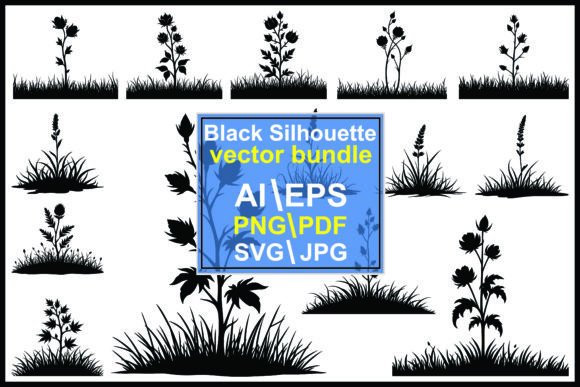
When evaluating a collection of Silhouettes of Various Plants and Grasses, start by examining the file structure. A professional bundle should offer multiple formats to accommodate different software and workflows. Ideally, you want a package that includes AI and EPS files for Adobe Illustrator users, SVG for web developers and Cricut users, and high-resolution PNGs with transparent backgrounds for quick drag-and-drop applications in Photoshop or Canva. Having PDF options is also beneficial for previewing and printing proofs.
The organization of the files matters just as much as the formats. A messy download folder wastes time. Look for bundles where files are neatly categorized or named logically. For instance, separate folders for individual elements versus pre-made compositions can streamline your search process. Additionally, ensure the zip file is properly compressed and easy to extract. Standard tools like WinZip, WinRAR, or even the built-in extraction features of modern operating systems should handle the archive without issues. If a file is corrupted or difficult to open, it reflects poorly on the creator’s attention to detail.
Variety within the collection is another key indicator of quality. A good set should include a mix of whole plants, isolated leaves, single blooms, and clusters of grass. This diversity allows you to deconstruct the elements and rebuild them into new shapes. For example, you might take a stem from one illustration and pair it with a bud from another to create a custom flower that doesn’t exist in nature but looks perfectly balanced in your design. This level of customization is only possible with well-drawn, isolated components.
Practical Tips for Integrating Silhouettes into Your Work
To get the most out of your botanical assets, consider how they interact with other design elements. Black silhouettes work best against light or white backgrounds, creating a strong contrast that draws the eye. If you need to place them on darker backgrounds, simply invert the colors or change the fill to white. Because vector files are editable, you can easily adjust the stroke weight or simplify paths if the original design feels too heavy for your layout.
Layering is a powerful technique. Instead of placing a single plant in the center, try arranging multiple silhouettes at different opacities or sizes to create depth. This mimics the natural randomness of a meadow or garden, adding organic movement to static designs. When working with grasses, varying the height and angle of each blade prevents the pattern from looking rigid or artificial. Remember, nature is imperfect, and your designs should reflect that subtle chaos to feel authentic.
Finally, always test your files before committing to a large project. Open the SVG in a browser to check for rendering errors, import the AI file into your design software to ensure layers are manageable, and print a small sample of the PNG to verify clarity. These small steps prevent major setbacks later. By choosing a comprehensive, well-organized bundle of Silhouettes of Various Plants and Grasses, you equip yourself with reliable resources that enhance your creativity rather than hinder it. Whether you are a seasoned graphic designer or a hobbyist starting your first blog, investing time in selecting the right assets pays dividends in the quality and efficiency of your work.