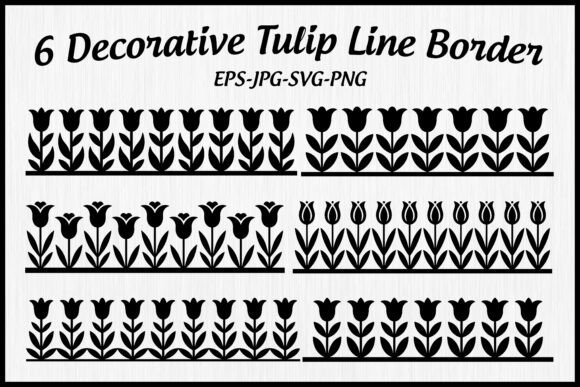
Minimal Flower Vector: Elevating Digital Design with Clean Floral Illustrations
In the rapidly evolving landscape of digital design, the demand for versatile, high-quality assets has never been greater. Among the most sought-after resources are floral illustrations that balance aesthetic appeal with technical precision. A Minimal Flower Vector represents the intersection of artistic elegance and functional utility. Unlike complex, hyper-realistic botanical drawings, minimal floral vectors focus on clean lines, simplified shapes, and harmonious color palettes. This approach not only enhances visual clarity but also ensures that the artwork remains adaptable across a vast array of mediums, from small printable stickers to large-scale nursery wall art.
The appeal of minimalism in floral design lies in its ability to convey natural beauty without visual clutter. By stripping away unnecessary details, designers can highlight the essential structure of petals and leaves. This results in graphics that are timeless rather than trendy, making them suitable for diverse applications such as branding, invitations, and sublimation projects. For creators using cutting machines like Cricut or Silhouette, the simplicity of these vectors is particularly advantageous, as clean paths ensure precise cuts and smooth edges.
The Technical Advantage of Scalable Vector Graphics
One of the primary reasons professionals and hobbyists alike prefer vector formats over raster images is scalability. A Minimal Flower Vector is typically delivered in formats such as EPS (Encapsulated PostScript) or SVG (Scalable Vector Graphics). These file types use mathematical equations to define shapes, allowing the image to be resized infinitely without any loss of quality. Whether you are designing a business card or a billboard, the crispness of the lines remains intact.
When you acquire a premium design package, you often receive files in multiple formats to accommodate different software ecosystems. For instance, an EPS file is ideal for Adobe Illustrator and other professional vector editing tools, while a high-resolution JPG might be used for quick previews or web-based applications where editing is not required. The inclusion of a 300 DPI resolution JPG ensures that even rasterized versions of the design maintain sharpness for printing purposes. Furthermore, RGB color mode compatibility guarantees that the colors appear vibrant on digital screens, which is crucial for online branding and social media content.
Enhancing Creativity with Editable Layers
A significant benefit of working with a fully layered vector file is the ability to customize every element. A high-quality Minimal Flower Vector package often includes editable components, such as individual petals and leaves. This level of granularity allows designers to modify the composition to suit specific project needs. You might choose to rearrange the layers to create a denser bouquet for a wedding invitation or simplify the arrangement for a minimalist logo.
The ability to change colors effortlessly is another critical feature. Since vector shapes are defined by fill and stroke attributes, altering the color scheme is a matter of seconds. This flexibility is invaluable for branding projects where specific corporate colors must be maintained. Instead of searching for a new illustration that matches your palette, you can simply adjust the existing vector assets. This efficiency saves time and resources, enabling creators to iterate quickly and explore various design directions without starting from scratch.
Diverse Applications in Modern Design Projects
The versatility of minimal floral illustrations extends far beyond traditional greeting cards. Their clean aesthetic makes them suitable for a wide range of creative and commercial uses. Understanding how to leverage these assets can significantly enhance the quality and professionalism of your work.
- Greeting Cards and Invitations: The delicate nature of minimal flowers adds a touch of sophistication to personal correspondence. Whether for birthdays, weddings, or holidays, these designs provide a elegant backdrop for text without overwhelming the message.
- Nursery Wall Art: Parents and interior designers often seek calming, neutral visuals for children’s rooms. Minimal floral vectors, with their soft lines and gentle colors, create a serene atmosphere that complements modern nursery decor.
- Sublimation Projects: For those involved in print-on-demand businesses, minimal flowers are perfect for sublimating onto mugs, tote bags, and apparel. The clean lines transfer well onto fabric and ceramic surfaces, ensuring a professional finish.
- Cricut and Cutting Files: Crafters appreciate vectors that are easy to cut. A well-optimized Minimal Flower Vector with closed paths and no stray nodes ensures that cutting machines operate smoothly, reducing material waste and production time.
- Branding and Logo Design: Small businesses, particularly in the beauty, wellness, and lifestyle sectors, often incorporate floral elements into their logos. Minimalist designs convey professionalism and clarity, helping brands stand out in crowded markets.
Integrating Vectors into Digital Workflows
Incorporating vector assets into your workflow requires a basic understanding of design software. Programs like Adobe Illustrator, CorelDRAW, and Inkscape are commonly used to manipulate EPS files. When you open a Minimal Flower Vector in these applications, you will find that each element is distinct and selectable. This structure allows for precise adjustments, such as resizing individual leaves or rotating petals to achieve a more dynamic composition.
For users who prefer simpler tools, many online platforms now support SVG uploads. This means that even those without advanced design skills can utilize these vectors in tools like Canva or Cricut Design Space. The key is to ensure that the file is properly formatted before upload. Checking for compound paths and ensuring that all shapes are closed can prevent issues during the cutting or printing process. Additionally, maintaining a library of organized assets allows for quicker retrieval and reuse in future projects.
Quality Considerations for Professional Results
Not all vector files are created equal. When selecting a Minimal Flower Vector for your projects, it is essential to consider the quality of the construction. Premium quality designs are characterized by clean anchor points, smooth curves, and logical layering. Poorly constructed vectors may contain unnecessary points, overlapping shapes, or open paths, which can lead to printing errors or difficulties in editing.
Resolution and color mode are also critical factors. While vectors are resolution-independent, any accompanying raster files, such as JPG previews, should be at least 300 DPI to ensure print readiness. Furthermore, understanding the difference between RGB and CMYK color modes is important. RGB is suitable for digital displays, while CMYK is required for professional printing. Many designers start with RGB for screen-based work and convert to CMYK when preparing files for print, ensuring that colors remain consistent across mediums.
The inclusion of multiple file formats in a single package, such as a ZIP archive containing EPS and JPG files, provides added value. It ensures that you have the right tool for every job, whether you are editing the design in professional software or using it in a word processor. This comprehensive approach supports a seamless creative process, reducing the need to source additional assets or convert files manually.
The Role of Minimalism in Contemporary Aesthetics
The trend towards minimalism in design is not merely a stylistic choice but a response to information overload. In a world filled with visual noise, clean and simple designs offer a sense of calm and clarity. A Minimal Flower Vector embodies this philosophy by focusing on essence rather than excess. This approach resonates with modern consumers who appreciate authenticity and simplicity.
Moreover, minimal designs are highly adaptable to various cultural contexts. Unlike intricate patterns that may carry specific cultural connotations, simple floral shapes are universally recognized and appreciated. This universality makes them ideal for global brands and diverse audiences. By leveraging the power of minimalism, designers can create work that is both visually striking and broadly appealing.
In conclusion, the integration of high-quality minimal floral vectors into your design toolkit can significantly enhance your creative output. From the technical benefits of scalability and editability to the aesthetic advantages of clean, modern lines, these assets offer immense value. Whether you are a professional designer, a small business owner, or a hobbyist crafter, understanding how to effectively use these resources will enable you to produce polished, professional results across a wide range of projects. By prioritizing quality, versatility, and thoughtful application, you can unlock the full potential of minimal floral design in your work.