Mastering Vintage Ribbon Banner Design Elements for Timeless Visual Appeal
In the vast landscape of digital and print design, trends come and go with rapid frequency. However, certain aesthetic choices possess a staying power that transcends fleeting fads. Among these enduring styles is the use of vintage-inspired motifs, specifically Vintage Ribbon Banner Design Elements. These classic ornamental features evoke a sense of nostalgia, elegance, and craftsmanship that modern minimalist designs often struggle to replicate. Whether you are a graphic designer creating branding materials, a hobbyist crafting wedding invitations, or a business owner developing marketing collateral, understanding how to effectively utilize these elements can significantly elevate the quality and impact of your visual communication.
The appeal of vintage design lies in its ability to convey history and authenticity. A ribbon banner, when executed correctly, does not merely hold text; it frames it with dignity and importance. This article explores the practical applications, technical considerations, and creative possibilities inherent in using high-quality vector assets such as ribbons, swirls, and stars to create an elegant mood in your projects.
The Anatomy of Classic Ornamental Motifs
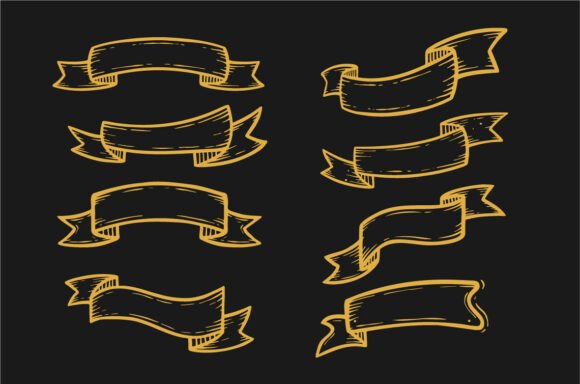
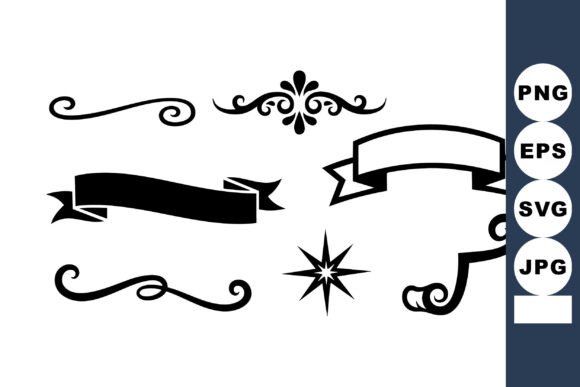
To effectively use vintage elements, one must first understand their components. A typical set of Vintage Ribbon Banner Design Elements is not just a single image but a collection of modular parts designed to work in harmony. The primary component is, of course, the ribbon banner itself. These banners often feature folded ends, shadows, and highlights that create a three-dimensional illusion on a two-dimensional plane. They serve as the focal point, drawing the viewer’s eye immediately to the central message.
Complementing the banner are secondary elements such as swirls and flourishes. These decorative lines add movement and fluidity to the composition, guiding the eye around the design and connecting disparate elements. They soften the rigid structure of the banner and add a layer of sophistication. Additionally, shapes like stars or seals often accompany these sets. A star shape, for instance, can be used to highlight a special offer, a rating, or a key feature, adding a burst of emphasis without disrupting the overall elegant mood.
When these elements are presented in black, as seen in many classic illustrations, they offer maximum versatility. Black ornamental motifs provide high contrast against light backgrounds, ensuring readability and visual punch. This monochromatic approach also allows designers to easily recolor the elements to match specific brand palettes without losing the integrity of the shading and depth built into the original vector paths.
Technical Advantages of Vector Formats
For professionals and serious creators, the file format of design assets is just as critical as the aesthetic quality. High-quality downloadable packages typically include a ZIP file containing SVG, EPS, JPG, and PNG files. Understanding the distinct role of each format is essential for a smooth workflow.
SVG (Scalable Vector Graphics) and EPS (Encapsulated PostScript) are the gold standards for professional design. Because they are vector-based, these files use mathematical equations to define shapes rather than pixels. This means you can scale a ribbon banner from the size of a business card to the side of a building without any loss of quality. There is no pixelation, blurring, or jagged edges. For logo design, large-format printing, and web responsiveness, SVG and EPS files are indispensable. They allow for complete editability, meaning you can adjust anchor points, change colors, or modify the thickness of lines directly within software like Adobe Illustrator or CorelDRAW.
On the other hand, JPG and PNG files serve different purposes. JPGs are raster images suitable for quick previews or web use where file size is a concern, though they do not support transparency. PNGs, however, are crucial for digital compositions. They support transparent backgrounds, allowing you to drop a vintage ribbon directly onto a photo or a textured background without a white box surrounding it. While they cannot be scaled up indefinitely without quality loss, they are perfect for social media graphics, website headers, and digital documents where the final size is predetermined.
Practical Applications Across Industries
The versatility of Vintage Ribbon Banner Design Elements makes them suitable for a wide array of industries and use cases. Their ability to convey trust, tradition, and quality makes them particularly effective in sectors where heritage and reliability are key selling points.
- Wedding and Event Planning: Perhaps the most common application is in the wedding industry. Invitation suites, save-the-dates, and menu cards frequently utilize ribbon banners to display the names of the couple or the date of the event. The elegant mood created by swirls and classic typography pairs perfectly with the formal nature of weddings.
- Bakery and Food Packaging: Artisanal bakeries and gourmet food brands often use vintage aesthetics to suggest homemade quality and traditional recipes. A ribbon banner wrapping around a label for jam, honey, or bread can evoke a sense of old-world charm that appeals to consumers seeking authentic experiences.
- Educational Materials and Certificates: Schools, universities, and online course providers use these elements to lend authority to certificates and diplomas. The star shape can denote achievement, while the ribbon banner holds the title of the award, creating a document that feels substantial and worthy of framing.
- Retail and Sales Promotions: In retail, vintage-style sale tags stand out amidst the noise of modern, flashy advertising. A black ornamental ribbon with "50% Off" in white text creates a striking contrast that feels exclusive rather than desperate, encouraging clicks and purchases.
Design Principles for Elegant Composition
While having access to high-quality assets is a great start, successful implementation requires a keen eye for design principles. Simply placing a ribbon on a page does not guarantee an elegant result. Context and balance are paramount.
First, consider typography. Vintage ribbon banners pair best with serif fonts or script typefaces that mimic hand-lettering. Avoid overly modern, geometric sans-serif fonts unless you are intentionally aiming for a eclectic, mixed-era look. The font should complement the curves of the swirls and the folds of the ribbon. Ensure that the text fits comfortably within the banner, leaving adequate padding so the letters do not touch the edges.
Second, pay attention to hierarchy and spacing. The ribbon should be the dominant element, but it must not overwhelm the content. Use the swirls to fill negative space and connect the banner to other elements on the page, such as borders or images. Do not clutter the design; let the intricate details of the vector illustration breathe. White space is just as important as the decorative elements themselves.
Third, maintain color harmony. If you are using the black versions of the elements, consider pairing them with muted, earthy tones or pastels for the background. Cream, beige, soft gray, and dusty rose are excellent choices that enhance the vintage feel. If you choose to recolor the vectors, stick to a limited palette to preserve the sophisticated atmosphere. Over-saturating the colors can make the design look cheap and detract from the classic ornamental motifs.
Workflow Integration for Creators
Integrating these elements into your daily workflow can save time and enhance consistency. Start by organizing your asset library. Unzip the downloaded package and store the SVG and EPS files in a dedicated folder for easy access. When starting a new project, import the vector file into your design software. Ungroup the elements if necessary to separate the ribbon, swirls, and stars. This allows you to rearrange them or use them individually as needed.
For web designers, SVG files can be embedded directly into HTML code, allowing for CSS styling and animation. You can change the color of the ribbon on hover or animate the swirls to draw attention to a call-to-action button. This interactivity adds a modern twist to the vintage aesthetic, bridging the gap between old-world charm and contemporary user experience.
For print designers, always ensure that your document color mode is set to CMYK before exporting final files. Check the resolution of any rasterized effects and confirm that all fonts are outlined or embedded. The precision of vector lines ensures that even small details, like the fine tips of a swirl, will print crisply on high-quality paper stocks.
Conclusion: The Enduring Value of Vintage Aesthetics
In an era dominated by flat design and minimalism, Vintage Ribbon Banner Design Elements offer a refreshing return to ornamentation and detail. They provide a tangible link to the past, evoking feelings of trust, quality, and elegance. By leveraging the technical flexibility of vector formats and applying sound design principles, creators across various fields can produce work that stands out for its sophistication and charm. Whether used in a digital campaign or a printed invitation, these classic motifs remain a powerful tool in the designer's arsenal, proving that some styles are indeed timeless.